Accepting applications for 2026-27. Talk to an advisor
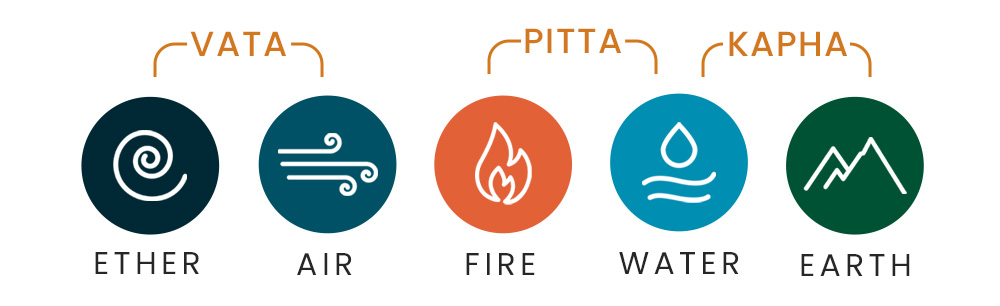
Panchakarma is a treatment program for the body, mind, and consciousness that cleanses and rejuvenates. It is based on Ayurvedic principles: every human is a unique phenomenon manifested through the five basic elements of Ether, Air, Fire, Water, and Earth. The combination of these elements forms the three doshas (tridosha)—Vata, Pitta, and Kapha—and their balance is unique to each individual. When this doshic balance is disturbed, it creates disorder resulting in disease.
Panchakarma is done individually for each person with their specific constitution and specific disorder in mind, thus it requires close observation and supervision. Treatment starts with pre-purification measures of Snehan and Svedana, and then cleansing methods—Shodanas—are applied.
While modern detox trends focus on surface-level cleansing, Panchakarma works differently: it systematically removes ama (undigested toxic accumulation) from deep tissues while simultaneously strengthening agni—the digestive fire—giving you both detoxification and a metabolic reset your body truly needs.
Enjoy a full 7-day all-inclusive Panchakarma Retreat designed by Dr Vasant Lad in Asheville, NC, in the incredible setting of the Blue Ridge Mountains. Unwind with a shorter stay package with treatments available through our Ayurvedic Spa. Come find rest, relaxation, and rejuvenation with us at SoHum Mountain Healing Resort.
Duration: 7 days (full retreat) or shorter spa packages
Supervised by: Dr. Vasant Lad & senior practitioners
Enjoy an all-inclusive Panchakarma Retreat with Dr Vasant Lad in Pune, India. Located in the sacred land where Ayurveda was born, VIOA offers you a transformative 13-day journey into the ancient science of life. With over 50 years of clinical experience, Dr Vasant Lad brings the wisdom of Ayurveda to you with an effective and proven system.
Duration: 13 days (all-inclusive residential)
Led by: Dr. Vasant Lad personally
Your body was not designed for the toxic load of modern existence. Processed foods, environmental pollutants, chronic stress, sedentary lifestyles, and endless screen time—these challenges create a perfect storm that Ayurveda has long anticipated through its concept of ama.
When agni burns strong, you digest life efficiently. But modern living constantly weakens it. Weakened agni creates ama—undigested material that becomes toxic accumulation in your system. Ama is sticky, heavy, and blocks your body’s channels. This is why you feel exhausted despite sleeping, bloated despite eating well, and foggy despite taking breaks.
Modern research validates what Ayurvedic practitioners have known for millennia. Clinical studies demonstrate that Panchakarma produces measurable physiological changes, including up to a 50% reduction in PCBs and other fat-soluble environmental contaminants following treatment.¹ Standard detoxes miss this entirely—they do not address ama lodged deep in tissues, and they do not rebuild agni. This is why their results never last.
Understanding the imbalance of your unique body is the basis for all Panchakarma treatment. Every individual constitution has its own unique balance of Vata, Pitta, and Kapha according to its own nature. This balance is the natural order. When this doshic balance is disturbed, it creates disorder—and disease follows.
Health is order; disease is disorder. Within the body there is a constant interaction between order and disorder. Once one understands the nature and structure of disorder, one can re-establish order. Ayurveda holds that order lies within disorder—and that Panchakarma is the path to restoring it.
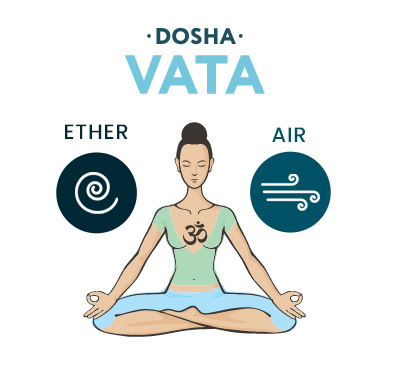
Vata governs movement, creativity, and communication. When balanced, you experience vibrant energy and flexible thinking. When disturbed—as it so often is in our overstimulated world—you face anxiety, insomnia, digestive irregularity, and that scattered feeling of being constantly on edge.
In Balance:
Out of Balance:
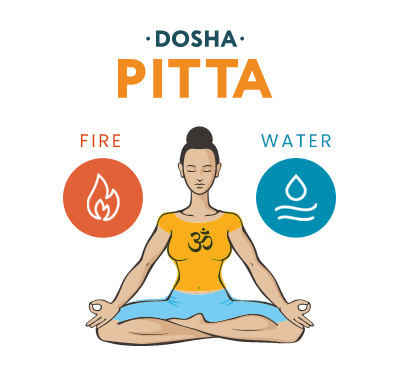
Pitta controls metabolism, digestion, and all transformation. Balanced Pitta brings sharp intellect and strong digestive fire. Excess Pitta manifests as inflammation, skin rashes, anger, acid reflux, and the burnout epidemic common among high achievers.
In Balance:
Out of Balance:
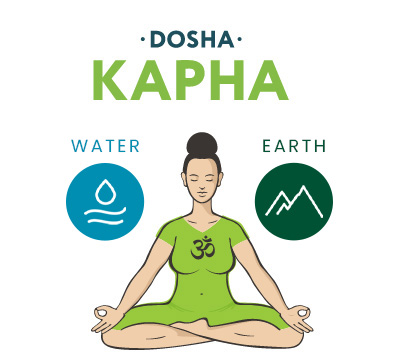
Kapha provides structure, stability, and nourishment. Healthy Kapha means calm strength and endurance. Imbalanced Kapha creates sluggishness, weight gain, depression, and that heavy, stuck feeling that resists even the most determined lifestyle changes.
In Balance:
Out of Balance:
Before the actual purification begins, the body must be prepared with prescribed methods that encourage it to release toxins. These two preparatory procedures are Snehan and Svedana, and they are given daily for three to seven days.
Snehan is an oil massage applied to the entire body using techniques that help move toxins toward the gastrointestinal tract. Oil massage makes the superficial and deep tissues soft and supple, helping to remove stress and nourish the nervous system. Snehan is typically given daily for three to seven days, as indicated by the practitioner.
Svedana is sudation—therapeutic sweating—given every day immediately following Snehan. An herbal concoction may be added to the steam to further loosen toxins. Svedana liquefies the toxins and increases their movement into the gastrointestinal tract, making them ready for elimination. After three to seven days of Snehan and Svedana, the doshas become well “ripened” and a specific Panchakarma method is then given according to the individual’s constitution and disorder.
It is important to understand that “pancha karma” literally means “five actions” or “five treatments.” There are five primary cleansing procedures included in Panchakarma, each targeting specific dosha imbalances and elimination pathways.
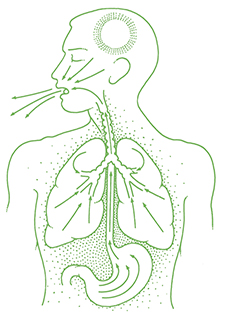
When there is congestion in the lungs causing repeated attacks of bronchitis, colds, cough, or asthma, Ayurvedic treatment uses therapeutic emesis (vamana) to eliminate the Kapha causing the excess mucus. This also often releases repressed emotions held in the Kapha areas of the lungs and stomach. Therapeutic vomiting is indicated in chronic asthma, diabetes, chronic cold, lymphatic congestion, chronic indigestion, and edema. When administered properly, the person experiences relaxation in the lungs, freely flowing breath, lightness in the chest, clear thinking, and improved appetite.
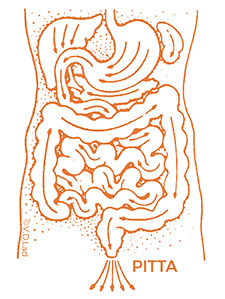
When excess Pitta accumulates in the gallbladder, liver, and small intestine, it can result in rashes, skin inflammation, acne, fever, biliary vomiting, nausea, and jaundice. Therapeutic purgation uses herbal laxatives to relieve the excess Pitta causing bile disturbance. Purgatives can completely resolve the problem of excess Pitta when properly administered.
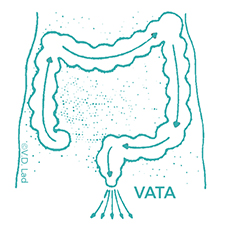
Vata is the main etiological factor in the manifestation of the vast majority of diseases. Basti medicated enema therapy—goes to the root cause of Vata disorders. Vata is mainly located in the large intestine, but bone tissue (asthi dhatu) is also a site for Vata. Because the mucus membrane of the colon is related to the outer covering of the bones, medication administered rectally reaches into deep tissues, correcting Vata disorders at their source.
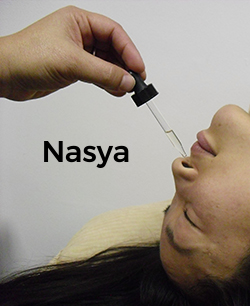
The nose is the doorway to the brain and to consciousness. Nasal administration (Nasya) eliminates excess bodily humors accumulated in the sinus, throat, nose, or head through the nearest possible opening. Prana, life force as nerve energy, enters the body through the breath and governs mental activities, memory, concentration, and intellectual function. Nasya is indicated for prana disorders, sinus congestion, migraine headaches, convulsions, and certain eye and ear conditions. It also helps open suppressed emotions held in the respiratory tract.
Your body was not designed for the toxic load of modern existence. Processed foods, environmental pollutants, chronic stress, and sedentary lifestyles create a cumulative burden that previous generations simply did not face.
Panchakarma addresses what conventional medicine consistently misses: the accumulated ama creating disease at the deepest levels. Research demonstrates that Panchakarma can reduce pesticides, herbicides, and fat-soluble environmental toxins by up to 50% in your bloodstream.¹
Beyond physical detoxification, Panchakarma resets your nervous system, rebuilds agni for sustainable metabolism, restores sleep quality, and sharpens mental clarity. It helps break the cycles of stress, caffeine dependency, and burnout that define so much of contemporary life.
When you remove ama and strengthen agni, your body remembers what modern living made it forget: how to heal itself.
Eliminate toxins and toxic conditions from your body and mind.
Restore your constitutional balance improving health and wellness.
Strengthen your immune system and become more resistant to illness.
Reverse the negative effects of stress on your body and mind thereby slowing the aging process.
Bring about deep relaxation and a sense of well-being.
Learn more about Ayurvedic principles through the National Ayurvedic Medical Association (NAMA)
You’re called to this work if you’re experiencing:
When to proceed with caution and consult with the team to make sure panchakarma is suitable for you:
Work with a qualified Ayurvedic practitioner who assesses your unique dosha constitution and designs a safe, personalized panchakarma program aligned with your body’s needs.
The depth of transformation corresponds to the time invested:
days Intensive
A focused retreat for those with limited time. Meaningful benefits when properly structured and supervised, as offered at SoHum.
days Traditional
The gold standard for comprehensive healing, allowing complete preparation, main therapies, and proper integration. Ideal for chronic conditions or when you are ready for profound rejuvenation. You can combine 2 or 3 weeks at Sohum Healing Resort or come to Vasant Institute of Ayurveda. More information below.
days Extended
Recommended for complex health challenges or deep-rooted imbalances requiring extended care under your Ayurvedic practitioner’s guidance.
Two Weeks Before
One Week Before
Traditional Ayurveda recommends specific lifestyle and diet guidelines throughout all steps of Panchakarma. Rest is essential. Avoid strenuous exercise, sexual activity, late nights, loud music, television, and other stimulating experiences. Take particular care to keep warm and away from the wind, and observe your thoughts and experiences during this time.
A mono-diet of kichari and ghee is recommended, along with essential restrictions on cold drinks, caffeine, white sugar, alcohol, and dairy products—none of which should be resumed until some time after Panchakarma is completed. During the cleansing process, the digestive fire (agni) takes a rest, and as toxins move back into the gastrointestinal tract, the power of digestion is further slowed.
Kichari provides adequate nourishment, is very easy to digest, nourishes all seven bodily tissues, supports the de-aging of cells, and assists the detoxification process. Kichari is a seasoned mixture of basmati rice and mung dal—both sweet and cooling with a sweet aftertaste. Together they create a perfectly balanced, tridoshic protein combination.
The transformation that begins during Panchakarma continues unfolding when you return home. Your body becomes highly receptive post-treatment. What you do in these critical weeks determines whether the changes become permanent.
Follow the integration and transition program provided by your center
Maintain gentle, consistent daily routines (dinacharya)
Avoid intense exercise, alcohol, and excessive stimulation for the first two weeks
Continue meditation and self-care practices established during the retreat
Consider seasonal Panchakarma maintenance to sustain long-term balance
We do not recommend performing Panchakarma at home without the guidance of a trained and licensed practitioner. While simplified home practices—self-oil massage (abhyanga), Ayurvedic diet modifications, and gentle herbal support—can support maintenance and light rebalancing between professional treatments, authentic deep Panchakarma cannot replicate professionally supervised programs.
Intensive elimination requires trained practitioners who properly assess your dosha, monitor ama elimination, and protect agni throughout. There are also many specific Ayurvedic products, techniques, and doses involved. For your first experience or for deep imbalances, always choose residential Panchakarma treatment with experienced practitioners at an established center.
At The Ayurvedic Institute and AyurPrana, we offer a 21 day guided home cleanse program three times a year that gets as close to a full panchakarma as possible. You can learn more about that here.
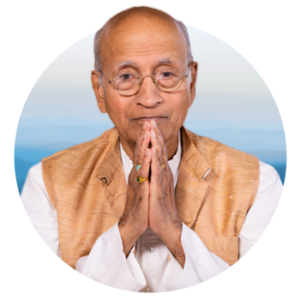
Dr. Vasant Lad is the founder of The Ayurvedic Institute, the oldest Ayurvedic school in North America, and has dedicated over 50 years to preserving and sharing the sacred science of Ayurveda. His textbooks are used internationally, and he is one of the West's most revered Ayurvedic physicians. His profound understanding of doshas, agni, and ama, combined with genuine compassion, has guided thousands toward healing and self-discovery.
Experience traditional Ayurvedic treatment in luxury at SoHum Mountain Healing in the pristine Blue Ridge Mountains of Asheville, NC, where Dr. Lad and his team of senior practitioners personally oversee programs. Here you receive authentic Panchakarma care rooted in unbroken lineage and clinical excellence. Groups are small, allowing for extremely personalized service on this 100 acre retreat center. Learn more about the program and availability at Sohum Mountain Healing.
For those called to receive treatment at the source, Dr. Lad leads a 13-day residential Panchakarma program in Pune, India, at the Vasant Institute of Ayurveda (VIOA). Sessions run from late August through mid-December, with multiple program dates available. Each program includes a complete health assessment with Dr. Lad himself, daily Ayurvedic treatments, personalized consultations, Ayurvedic meals, and a post-treatment herbal regimen. Space is intentionally limited to ten participants per session. Learn more and reserve your place at VIOA.
It’s essentially a luxury spa experience
Panchakarma is serious therapy requiring extensively trained practitioners. The Ayurvedic massage treatments serve precise therapeutic functions for mobilizing ama and balancing doshas—not mere relaxation.
You can achieve equivalent results at home
Simple panchakarma cleanse at home practices support maintenance and some therapeutic benefit if done correctly, but deep work requires professional supervision at an Ayurvedic panchakarma centre. Intensive elimination without proper guidance and monitoring can be ineffective or potentially harmful.
It’s only about physical detoxification
This holistic approach addresses mental, emotional, and spiritual dimensions alongside body detox panchakarma. Many report profound psychological breakthroughs and clarity as ama clears from subtle channels.
Results appear immediately
While some improvements manifest quickly, panchakarma benefits continue deepening for months as your body fully integrates changes and agni strengthens. The real transformation unfolds over time.
Panchakarma is Ayurveda’s premier detoxification system using five therapeutic procedures to eliminate deep-seated ama (toxins) and restore dosha balance. Unlike superficial cleanses, Panchakarma works at the cellular level through personalized treatments—therapeutic massage, herbal preparations, and specialized elimination procedures—tailored to your unique constitution.
Panchakarma operates through three systematic phases: preparatory treatments (Snehan and Svedana) loosen toxins from deep tissues; the five main therapies eliminate accumulated ama through appropriate pathways; and post-treatment care rebuilds agni and strength. This process resets digestive fire, clears blocked channels, balances doshas, and restores the body’s natural intelligence.
The Panchakarma diet features warm, freshly cooked, easily digestible foods. The staple is kichari (spiced rice and mung dal), along with nourishing vegetable soups and herbal teas customized to your dosha. The diet eliminates raw foods, processed items, caffeine, alcohol, meat, and heavy dairy. After treatment, foods are gradually reintroduced over 7–14 days using traditional protocols.

Panchakarma is generally safe when administered by qualified Ayurvedic practitioners who assess individual constitution and health conditions. It is generally not suitable during pregnancy, lactation, active severe infections, severe cardiac conditions, extreme weakness, or recent surgery. Always work with experienced practitioners at established centers.
The five steps are: Vamana (therapeutic emesis clearing Kapha respiratory congestion), Virechan (purgation eliminating Pitta digestive toxins), Basti (medicated enema balancing Vata), Nasya (nasal administration treating head and sinus conditions), and Rakta Moksha (blood purification for inflammatory conditions—at The Ayurvedic Institute, this is done through herbal protocols).